
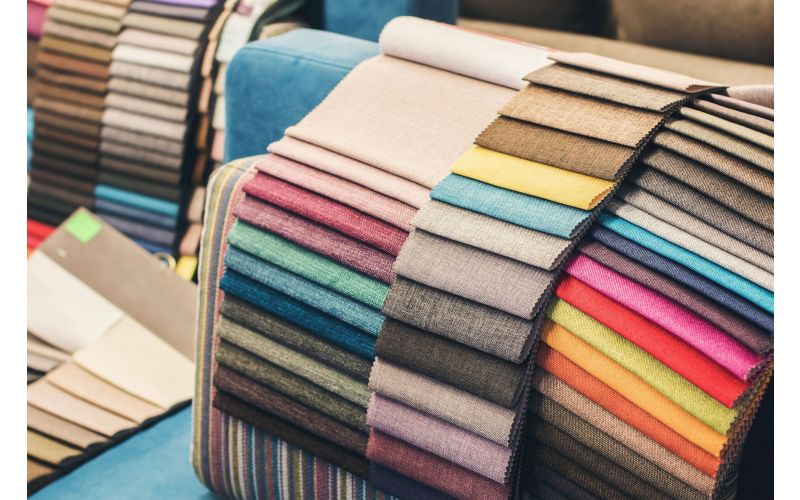
In the fast-paced world of fashion and textiles, the environmental impact of production and waste has become an urgent concern. As the industry grapples with its environmental footprint, there's a growing interest in sustainable practices, particularly in the realm of textile sourcing. Wholesale fabric buyers have the power to influence the supply chain significantly by making conscious decisions that not only address waste but also promote sustainability. By selecting eco-friendly and ethically produced fabrics, businesses can play a pivotal role in reducing the staggering amount of textile waste that clogs our landfills and pollutes our planet.
Reducing Textile Waste Through Conscious Fabric Sourcing
One of the most pressing issues facing the textile industry today is the sheer volume of waste it generates. According to TheRoundUp, the world produces 92 million tons of textile waste every year. This overwhelming figure highlights the urgent need for a strategic shift in how fabrics are sourced at the wholesale level. By prioritizing recycled and upcycled materials, companies can significantly reduce the demand for virgin resources and contribute to a more circular economy, thus closing the loop on textile waste.
Evaluating the Full Environmental Impact of Fabric Choices
Sustainable choices in wholesale fabric sourcing also go beyond materials themselves. Buyers must consider the entire lifecycle of the fabrics, including water usage, chemical treatment, and the conditions under which the textiles are produced. Opting for suppliers with certifications ensures that the materials meet high environmental and ethical standards. These diligent choices can help curb harmful environmental effects and encourage the industry to adopt sustainable practices that align with global environmental goals.
Leveraging Sustainability for Brand Value and Consumer Trust
Moreover, economically conscious decisions can also translate into competitive advantages for businesses. By showcasing commitment to sustainable values through careful selection of fabrics, brands can attract environmentally conscious consumers who are increasingly demanding transparency and sustainability in their purchases. This not only helps enhance brand reputation but also fosters a market driven by ethical principles, shedding a spotlight on the importance of social responsibility.
To tackle the enormous challenge of textile waste, wholesale fabric buyers must make informed and responsible choices that contribute to a sustainable future. By prioritizing eco-friendly and ethically sourced materials, businesses can help reduce the environmental impact of the textile industry. Contact Luxury Fabrics, Inc to discuss your fabric options.